Whoa, this caught me off guard. I started writing notes about cold storage and suddenly had too many ideas. My instinct said: prioritize the basics, then layer complexity. Hmm… somethin’ about the ecosystem keeps surprising me. Okay, so check this out—if you want near-military security for your crypto holdings, hardware wallets plus disciplined processes are where you start.
Here’s the thing. Most people panic about private keys and lose focus on processes that actually reduce risk. Really? Yes. You can have a perfect device and still mess up because of sloppy operational habits. On one hand, cold storage means air-gapped secrets; on the other hand, portfolio management is about tradeoffs—liquidity, risk, and long-term goals.
Whoa, this may sound obvious. I’ll be honest: the temptation to keep everything accessible in hot wallets is strong. Seriously? Yup. Initially I thought individual users needed complex schemes, but then I realized that simple, repeatable routines beat complexity in the long run. Actually, wait—let me rephrase that: the routines need to be both simple and well-documented, because when you’re stressed, you won’t remember a sprawling checklist.
Hmm, little tangents aside (oh, and by the way—backup cryptos can be emotional), here’s a framework I use. First, segment assets by purpose. Second, choose custody models that match each segment. Third, integrate DeFi exposure through controlled, auditable bridges. That order matters; liquidity without control invites loss.
Whoa, strategy first, tools second. For cold storage I prefer a hierarchical approach: deep storage, medium-term holdings, and active allocation. Deep storage holds long-term positions you won’t touch for years. Medium-term holds rebalances and strategic allocations. Active allocation is for yield, trading, and DeFi experiments—kept minimal and constantly monitored.
Short checklist time. Use hardware wallets for deep and medium storage. Enforce multi-device recovery where appropriate. Keep seed phrases offline and split if you must (shamir or geographic splits). If you use custodial services for some allocations, document why and for how long. Don’t mix purposes in the same device unless you understand the tradeoffs.
Whoa, hardware wallet selection is part practicality, part hygiene. My gut says get a widely-audited, commonly-used device. That reduces vendor risk and increases community support. I like devices with a clear firmware upgrade path and an ecosystem that supports open-source tooling. Somethin’ about rare proprietary stacks bugs me—I’m biased, but I prefer reproducible, inspectable software.
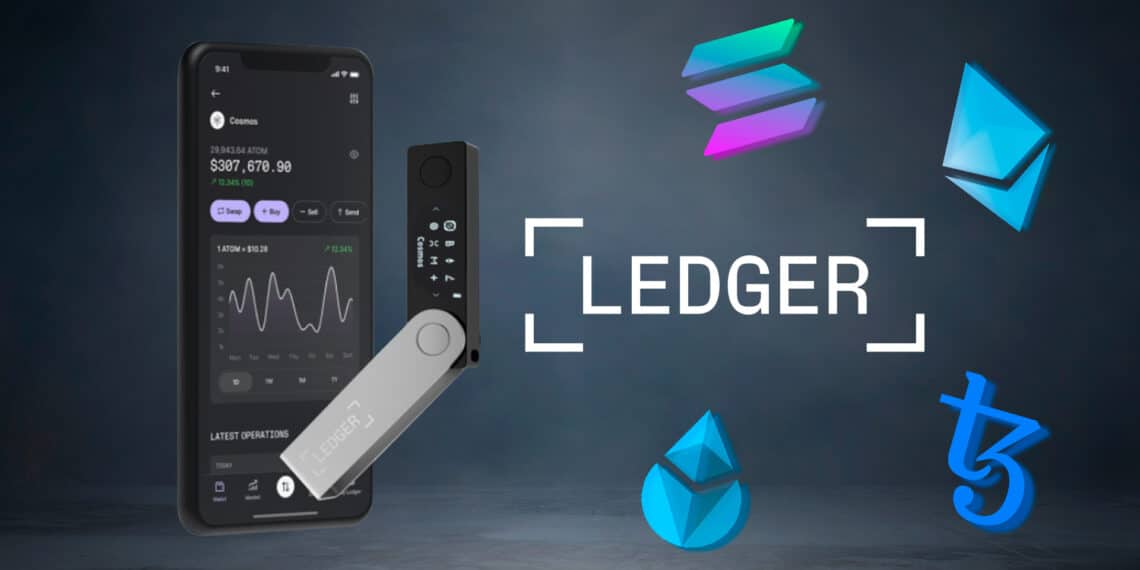
Okay, so check this out—Ledger hardware devices (and the ecosystem around them) are widely used, and many users rely on the companion app for portfolio visibility. For managing accounts, consider using the official desktop or mobile client for reconciliations and routine checks; for advanced setups, layer an air-gapped signing flow. If you want a unified UI to view balances and manage firmware, try ledger live for typical workflows and balance reconciliation.
Whoa, integration with portfolio tools matters. Keep a local ledger (not the device—your record) of positions, entry prices, and target allocations. Use spreadsheets, encrypted notes, or password managers that you trust. On one hand, spreadsheets are flexible; on the other hand, they can leak if sync isn’t handled carefully. Balance usability and security—note that offline CSVs and PGP-encrypted backups are still robust options.
Hmm, now DeFi enters and things get trickier. DeFi is permissionless, composable, and fast. That speed is both a power and a liability. If you connect a hardware wallet to a dApp, the device signs transactions but you still approve actions in the browser—so dependency on the front-end matters. Initially I thought signatures were the only risk, but then realized front-end manipulation and malicious memos can cause big losses.
Whoa, practical rule: keep your DeFi experiments tiny and isolated. Use a distinct hardware wallet account or testnet address for experiments. Limit approvals and use “approve zero” patterns where possible. On some chains you can use time-delayed multisig or guardians to limit catastrophic drains, though those setups require governance and maintenance. I’m not 100% sure every multisig vendor is perfect; do your own risk assessment.
Okay, here are operational patterns that have saved me and colleagues from sleepless nights. Number one: reproducible backups. Number two: documented recovery drills. Number three: routine firmware and software updates in a controlled environment. Number four: principle of least privilege for apps and dApps. Do a quarterly rehearsal; literally recover to a clean device using your seeds and recorded steps. It sounds tedious, but the rehearsal surfaces gaps you won’t notice on paper.
Whoa, templates help. Create three documents: Recovery Plan, Transaction Checklist, and Incident Playbook. Recovery Plan lists custody holders, seed split locations, and contact points (encrypted). Transaction Checklist enumerates pre-checks—address whitelists, minimum confirmations, gas estimations, and verification steps. Incident Playbook dictates actions for lost device, suspected compromise, or social engineering attempts. Keep these documents offline and in multiple formats.
Hmm, on security tooling: hardware-enforced signing, firmware verification, and air-gapped workflows reduce remote attack surfaces. But humanness is still the weakest link. Phishing, SIM swaps, and social engineering get people even when their devices are secure. I remember an instance where someone nearly approved a malicious ledger prompt because the dApp wording looked official—dang, it’s easy to be fooled. So cultivate a pause habit: if a transaction looks odd, step away and verify.
Whoa, multisig is underrated for individual security. Seriously. If you can accept some complexity, a 2-of-3 multisig across separate hardware wallets or co-signers dramatically reduces single point-of-failure risk. The downside is coordination and potential lock-in; the upside is you can resist a stolen device, coerced signatures, or accidental deletions. I’m biased, but for large portfolios, multisig should be considered very seriously.
Okay, now tax and compliance nerding—yes, I get nerdy sometimes. Track chain provenance and keep granular transaction logs. Wallet-level exports (signed transactions, raw txs, memos) combined with your personal ledger make audits and tax reporting much easier. This part is boring but very very important—don’t ignore it until you’re filing forms and panicking.
Whoa, about air-gapped signing: it’s a robust method. Prepare unsigned transactions on an online machine, transfer them via QR or SD card to an offline device, sign there, then broadcast. This flow reduces the attack surface on the signing key. That said, it’s more work and requires reliable tooling. If you experiment with PSBTs or EIP-712 flows, test extensively and keep small stakes initially.
Hmm, bridging to DeFi from cold storage deserves a strict protocol. I use a “staging account” pattern: move a small, verified tranche from cold wallet to a hot staging account, then interact with DeFi protocols from that staging account. If something goes wrong, only the tranche is at risk. This is slower, but it turns catastrophic risk into manageable loss. On one hand it costs some liquidity; though actually it buys time and forgiveness when mistakes happen.
Whoa, automation plus monitoring is powerful. Alerts on large transfers, unusual contract approvals, or token whitelists are lifesavers. Use on-chain watchers, simple scripts, or third-party monitoring (carefully vetted) to notify you. If you automate, log everything and maintain offline copies. Bad automation can amplify errors, so design kill-switches and manual overrides.
Okay, cultural note: US users often default to “convenience-first” thinking. That mindset is fine for small amounts but deadly for megaholdings. I’m not preachy, but I call it like I see it—security without convenience is unused, and convenience without security is a liability. Find a balance that aligns with your tolerance for risk and your life rhythm.
Whoa, final honest thought: no system is perfect. You will be tempted, you’ll miss a checkbox, or you might trust someone you shouldn’t. Prepare for entropy. Build redundancy into processes, not just devices. Teach an emergency contact the recovery basics, but don’t overshare; train them with encrypted guides and practice runs. That mix of technical defenses and human processes has saved me more than any single gadget.
Practical Steps to Start Today
Step one: segment your portfolio by time horizon and risk tolerance. Step two: choose hardware wallet(s) and test recovery. Step three: document workflows and rehearse them. Step four: for DeFi, use a staged approach and limit approvals. Step five: automate monitoring and keep offline backups. If you want to centralize balance views and manage firmware updates, many users find the companion software helpful—try ledger live for basic reconciliation and firmware management in a typical flow.
FAQ
How many hardware wallets should I own?
Two is a good baseline. One primary device for daily use and one for sealed backup recovery. If you have a very large stash, consider multisig across three devices in different locations. Also keep separate devices for DeFi experimentation to avoid cross-contamination.
Is splitting seed phrases (Shamir) a good idea?
Yes, when implemented correctly. It reduces single-point-of-failure risk, but increases coordination complexity. Test recovery with the specific scheme before trusting real funds—and store shares across trusted, geographically separate locations.
Can I use hardware wallets for DeFi safely?
Yes, with discipline. Use a staging account, limit approvals, and prefer read-only confirmations before signing. Remember that the UI you interact with matters; verify addresses and contract names independently, and keep stakes small when trying new protocols.